 Educational course
Schema-Based Parenting
Do not only manage your child’s behavior; understand their inner world, psychological needs, and the ground from which life traps can form.

A path to deeper self-knowledge — emotional needs, schemas, coping styles, and inner modes with Fatima Ashna.
As of today (October 2, 2026), 236 people have enrolled in this course.
As of today (October 2, 2026), 236 people have enrolled in this course.
An investment in deep self-discovery
Current price: $17.99
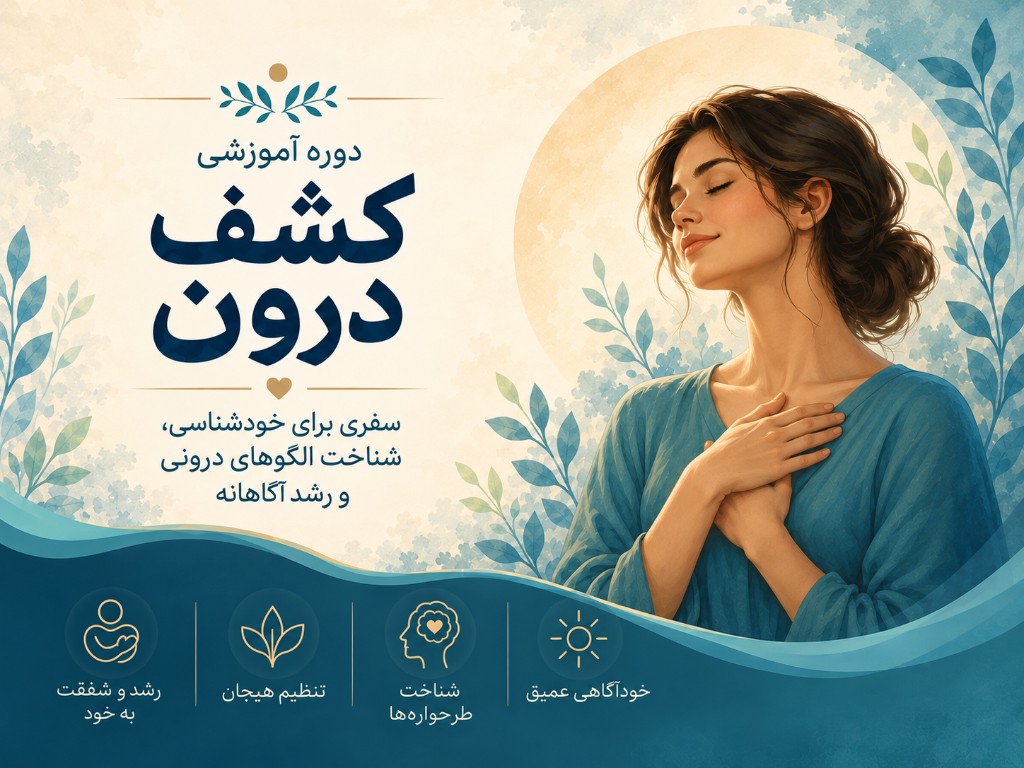
Educational course
A comprehensive self-discovery course based on schema therapy
Sometimes to change our lives, we first need to understand what is happening inside us.
A course for deeper self-knowledge — from childhood experiences and emotional needs to schemas, coping styles, modes, and healthy parts of who we are.
In Self-Discovery you will not just learn labels; you will gradually map your inner world.
Foundations-first • For everyone • No prior psychology background required
Some events end, but their patterns stay with us.
You may have decided many times to act differently, yet found yourself back in the same place.
I know what a healthy relationship should look like, yet I keep attracting similar people.
A small distance in a relationship unsettles me far more than I expect.
I do a lot for others, but stating my own needs is hard.
No matter how much I achieve, I still feel not enough.
A small criticism can occupy my mind for hours or days.
Sometimes I do not know why an ordinary event triggers so much anger, fear, or sadness.
I know I should say no, but when the moment comes I cannot.
I recognize some of my behaviors, but I do not know where they come from.
Maybe the issue is not only today's event.
Many reactions come from a complex link between past experiences, emotional needs, deep beliefs, and ways we learned to cope.
Self-Discovery is designed to understand that link.
This course is not only about schemas. It is a path of self-discovery.
We begin with early life experiences and move through emotional needs, core beliefs, schemas, coping styles, modes, and today's behaviors.
Five core psychological needs are introduced, followed by 18 early maladaptive schemas across five domains.
Self-awareness questions on childhood, parents, met and unmet needs, and core beliefs about self, others, love, and the world.
Core psychological needs and how fulfillment or frustration shapes later life patterns.
Amygdala, hippocampus, and emotional vs cognitive memory — why logic and body sometimes disagree.
18 schemas in five domains — beliefs, signs, origins, relational impact, and related coping styles.
Surrender, avoidance, and overcompensation.
Recognizing vulnerable child, punitive parent, detached protector, and other modes.
Strengths, capacities, and virtues that support growth.
We go beyond names — exploring beliefs, signs, origins, coping, and how patterns show up in life.
When abandonment is activated...
A delayed reply. A short distance. A shift in tone. For one person, ordinary. For someone with abandonment active, it may bring fear, turmoil, anger, or intense behavior.
In the course we ask not only why we act this way, but:
It matters which part of you is driving right now. The course covers child, parent, coping, and healthy adult modes.
Self-Discovery will not give you a new label or tell you 'this is who you are.'
The goal is to see patterns — what activates, where it comes from, what need is there, and how you usually respond.
That seeing can be the start of more conscious choices.
Your story is not only schemas. The final modules explore virtues and capacities you can lean on.

Fatima Ashna
Fatima Ashna is an ISST-certified schema therapist.
For over a decade she has worked with individuals, couples, and parents, and creates educational psychological resources.
No. The course starts from foundations and is for anyone seeking a clearer inner map.
Childhood is a starting point; the main focus links needs, beliefs, schemas, modes, and current behavior.
Yes, across five domains.
Yes — child, parent, coping, and healthy adult modes.
No. The closing modules cover virtues and healthy capacities.
Maybe it is time to look a little closer.
If your relationship with yourself is going to change, self-knowledge is a good place to start.
Self-Discovery is an invitation to see your story — with curiosity, not blame or labels.
Educational courseDo not only manage your child’s behavior; understand their inner world, psychological needs, and the ground from which life traps can form.
 Educational course
A comprehensive self-help course for healing maladaptive schemas and strengthening your healthy adult — with Fatima Ashna.
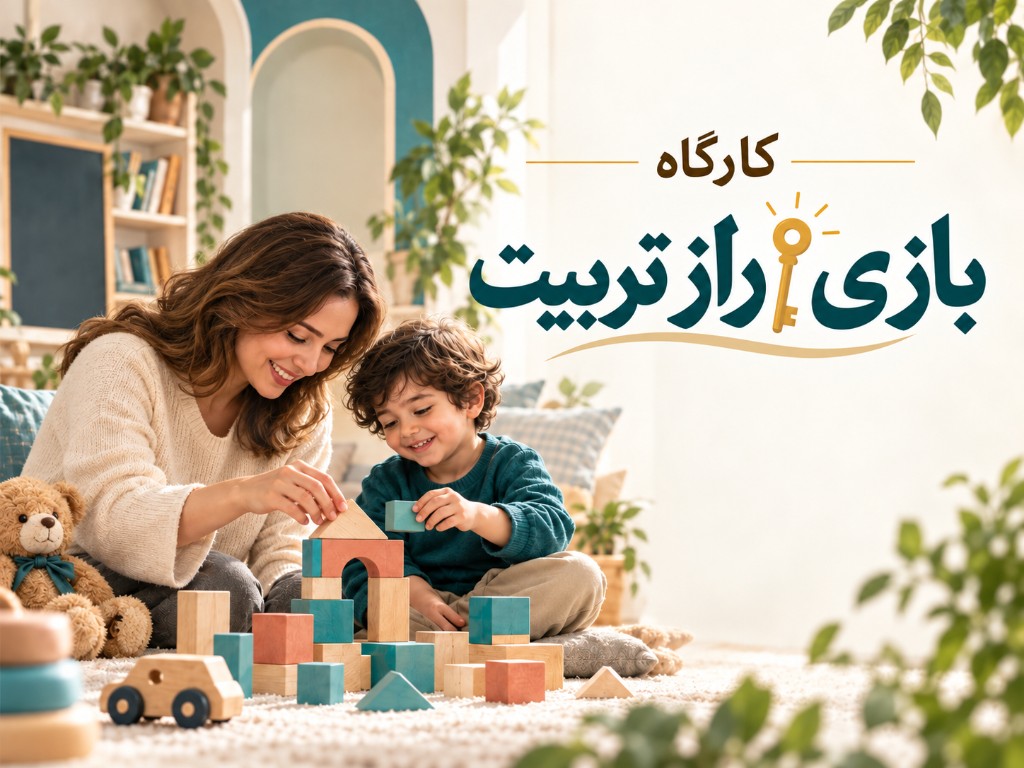 Educational course
Turn play from simple fun into a language of connection, growth, and parenting — with 60+ purposeful games.
Reviews & comments
No comments yet. Be the first to share your experience.